
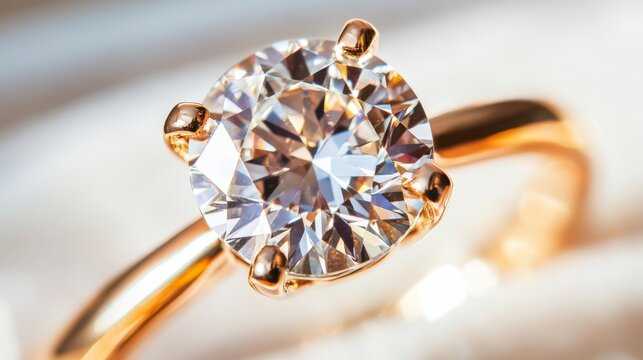
In today’s evolving jewelry market, one debate shines brighter than the rest: lab grown diamond vs real diamond. With more consumers leaning towards sustainable and ethical choices, this comparison has become a pivotal point of discussion. While both types of diamonds have their own appeal, understanding the key differences between them is essential for anyone looking to invest in a sparkling piece that aligns with both their values and style.
Let’s dive deep into the world of lab diamonds and natural diamonds to explore what sets them apart and why modern buyers are increasingly turning their attention to lab-created options.
What Are Lab Grown Diamonds?
Lab grown diamonds are diamonds created in a controlled laboratory setting using advanced technological processes such as Chemical Vapor Deposition (CVD) or High Pressure High Temperature (HPHT). These methods replicate the natural diamond-growing environment found beneath the Earth’s crust. The result? A diamond that is chemically, physically, and optically identical to one that comes from the ground.
What distinguishes lab diamonds is not their appearance or structure, but rather their origin. These diamonds are grown in just weeks and offer a modern alternative that does not require traditional mining.
Understanding Natural Diamonds
Natural diamonds are formed over billions of years under intense heat and pressure deep within the Earth’s mantle. They are mined from the Earth and then cut and polished to reveal their beauty. Because of their age and rarity, natural diamonds often come with a premium price tag and are viewed as traditional symbols of eternal love and status.
But with the rising awareness of ethical concerns tied to mining, the conversation surrounding lab grown diamond vs real diamond has become more relevant than ever.
Key Differences Between Lab and Natural Diamonds
When comparing lab grown diamond vs real diamond, it’s essential to examine the distinctions from multiple perspectives—appearance, cost, environmental impact, and resale value.
Appearance and Quality
To the naked eye, there is virtually no difference between the two. Both shine with the same brilliance and can be graded using the 4Cs: Cut, Color, Clarity, and Carat weight. Even trained gemologists need specialized tools to distinguish between lab diamonds and natural ones. They both come in various shapes and grades, offering a wide selection for buyers.
Price Comparison
One of the most appealing aspects of lab diamonds is their affordability. On average, a lab grown diamond costs 30–40% less than its natural counterpart. This allows buyers to opt for larger stones or higher clarity grades without exceeding their budget. When examining the lab grown diamond vs real diamond cost factor, it’s clear that lab-created options offer greater value for money.
Environmental Impact
Mining natural diamonds is an energy-intensive process that can lead to ecological damage, soil erosion, and disruption of local ecosystems. In contrast, lab diamonds require significantly less land and water and do not result in large-scale environmental degradation. For eco-conscious consumers, this becomes a deciding factor in the lab grown diamond vs real diamond debate.
Ethical Considerations
The issue of “blood diamonds” or conflict diamonds has long plagued the natural diamond industry. While many countries have adopted the Kimberley Process to combat this problem, concerns still linger. Lab grown diamonds, on the other hand, are inherently conflict-free. Knowing the origin of the stone provides peace of mind to socially responsible buyers.
Why More Buyers Are Choosing Lab Diamonds
The shift in consumer behavior toward lab diamonds is not just a trend—it’s a reflection of deeper values. Younger generations, in particular, are questioning traditional norms and seeking products that align with their ethical and environmental beliefs. The transparency and innovation behind lab created diamonds cater to this modern mindset.
Additionally, celebrities and influencers are embracing lab diamonds, further normalizing their appeal in mainstream culture. The emotional significance of a diamond does not diminish based on where it comes from. In fact, knowing your diamond didn’t harm the Earth may add even more meaning to the jewelry you wear.
Resale and Long-Term Value
One point that often emerges in the lab grown diamond vs real diamond conversation is resale value. Traditionally, natural diamonds have maintained higher resale prices due to their rarity and historical demand. Lab diamonds, being newer to the market and more affordable, currently have lower resale value.
However, as technology advances and market acceptance grows, the perception of lab diamonds is evolving. While they may not be ideal as investment assets today, they’re an excellent choice for those prioritizing style, sustainability, and affordability.
Choosing the Right Diamond for You
When choosing between lab grown diamond vs real diamond, the decision ultimately comes down to personal preference, priorities, and purpose. If you are looking for a diamond with a legacy of geological history and potential resale value, a natural diamond may be right for you. However, if your focus is on environmental responsibility, ethical sourcing, and cost-effectiveness, lab diamonds are a compelling choice.
There’s no “one size fits all” in the diamond world. Both options offer stunning beauty and can be tailored to reflect your unique story.
The Future of Diamonds
As technology continues to advance and consumer values shift, lab diamonds are poised to take an even larger share of the jewelry market. Major retailers and designers are embracing lab created stones, and public awareness of the benefits continues to rise.
The lab grown diamond vs real diamond debate is no longer about which is “better” but rather about which suits your values and lifestyle more closely. With both options offering undeniable beauty, the power lies in the hands of the buyer.
Conclusion
The comparison of lab grown diamond vs real diamond reveals more than just physical differences—it unveils the changing values of society. Whether you’re shopping for an engagement ring, a gift, or a personal treat, your choice carries weight.
Lab diamonds represent innovation, sustainability, and ethical progress, while natural diamonds embody tradition, rarity, and geological wonder. Whichever path you choose, you’re investing in more than just sparkle—you’re telling a story of what matters most to you.


